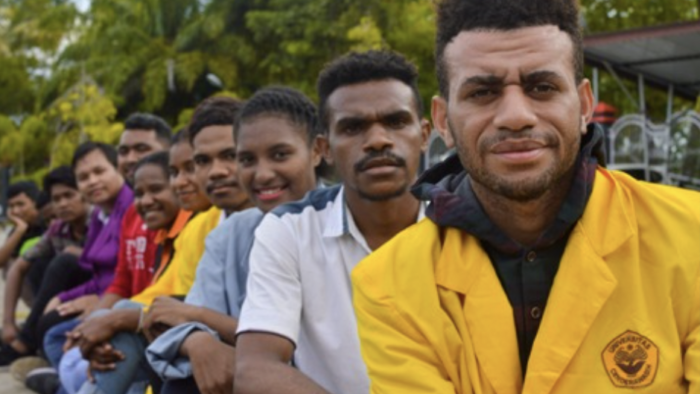
Manokwari (ANTARA) — Young Papuans continue to make remarkable achievements in higher education. A total of 16,000 students from private universities (PTS) across Papua and West Papua have received the Kartu Indonesia Pintar (KIP) Kuliah scholarship, a government initiative to expand access to tertiary education in Indonesia’s eastern region.
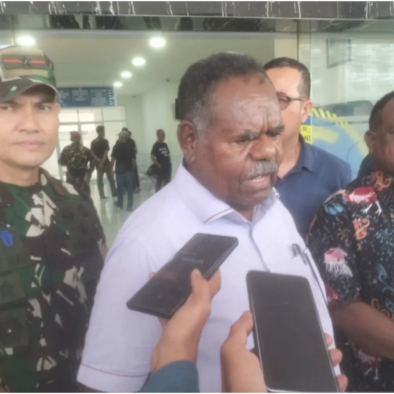
Head of the Higher Education Service Institute (LLDikti) Region XIV, Suriel Mofu, stated that this scholarship program reflects the central government’s strong commitment, through the Ministry of Education, Science, and Technology (Kemendiksaintek), to ensuring equal educational opportunities for Papuan students.
“The central government has allocated around Rp330 billion annually to support higher education in Papua. This is tangible evidence of the state’s presence in advancing human resource development in the region,” Suriel said in Manokwari on Friday.
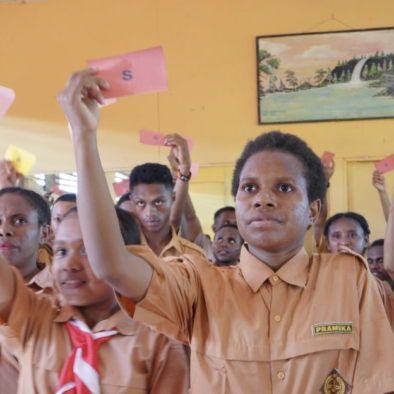
The KIP Kuliah program covers both tuition fees and living allowances, providing Rp8 million per student per year, from the first to the final semester. The scholarship primarily targets high-achieving students who demonstrate dedication and perseverance in pursuing their studies.
However, Suriel acknowledged that not all students have received the scholarship yet. Out of approximately 60,000 private university students across the six provinces of Papua, about 44,000 students remain without government financial support.
“This year, we have distributed 1,683 KIP scholarships and have proposed an additional 4,200 scholarships for next year,” he added.
LLDikti is also encouraging local governments across Papua to take part in supporting students, especially indigenous Papuans (OAP) from low-income families. According to LLDikti data, around 92 percent of OAP students come from households earning less than Rp2 million per month, making government assistance crucial to sustaining their education.
“If the central government can commit such a large budget for Papuan students, then local governments should also take part in supporting their own young generation,” Suriel emphasized.
He expressed hope that stronger synergy between the central and local governments will accelerate the improvement of Papua’s human resources through inclusive and sustainable higher education programs. With consistent support, Papuan students are expected to become drivers of change and agents of development in their homeland.


Konten Terkait