
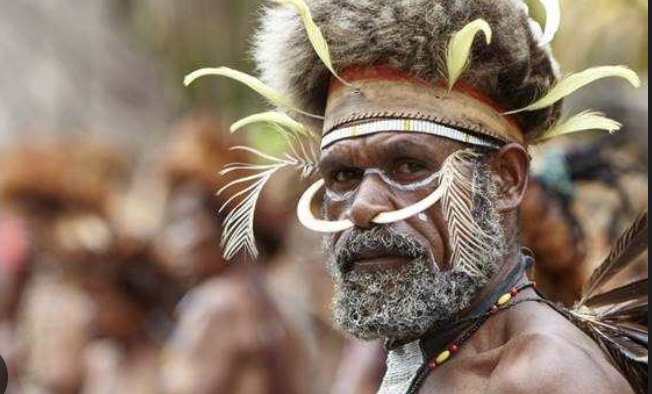
Jayapura, Papua – In Papua, peace is not only a political aspiration—it is rooted in customary leadership. Indigenous chiefs and ondoafi (traditional leaders) continue to play a central role in preserving harmony and guiding their communities within the framework of the Unitary State of the Republic of Indonesia (NKRI).
Herman Yoku, Chief of the Wikaya Tribe in Keerom Regency, once stated that “the key to peace in Papua lies in the hands of customary leaders.” His message reflects a broader reality: traditional authorities remain deeply respected as guardians of land, culture, and social stability across Papua.
Since the 2019 declaration of “Papua as a Land of Peace,” religious, community, and youth leaders have committed to fostering harmony and unity. While challenges persist, Indigenous leaders continue to advocate dialogue over conflict and cooperation over division.
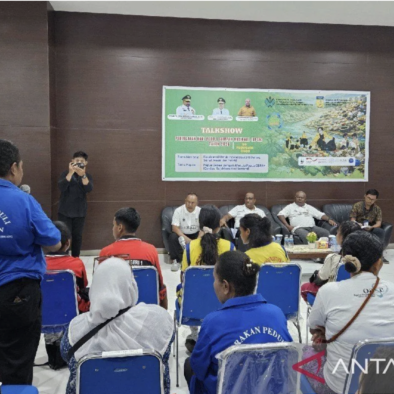
A recent gathering of ondoafi and tribal chiefs from across Papua in Jayapura (February 13, 2026) marked a renewed effort to strengthen communication between the government and customary institutions. The meeting underscored a shared understanding: sustainable development in Papua requires the active involvement of Indigenous leadership.
The Papua Provincial Government recognizes that without the support of traditional leaders, development cannot reach villages and grassroots communities effectively. Customary chiefs serve as bridges—conveying community aspirations and ensuring that public policies, including Special Autonomy (Otsus) funds, education reform, and the Free Nutritious Meals (MBG) program, truly benefit the people.
Local leaders have noted tangible impacts. In some areas, school attendance has improved following the implementation of nutrition programs, addressing longstanding challenges where children previously attended school without breakfast.
Historically, customary leaders also played a decisive role during the 1969 Act of Free Choice, contributing to Papua’s integration into Indonesia. Today, that legacy continues through partnership—where Indigenous institutions and government authorities work side by side to build a more peaceful, prosperous, and united Papua.
In Papua’s “big house,” unity is strengthened not only by policy, but by tradition, dialogue, and shared commitment.
Konten Terkait
Indigenous Papuans Embrace Free Education as Sorong City Strengthens Human Development Investment
Sorong, Southwest Papua – The Sorong City Government has allocated IDR 17 billion (approx. USD
Collaboration Between Indigenous Communities and Government Sustains Raja Ampat
Raja Ampat is widely recognized as one of the world’s richest marine biodiversity regions. Behind
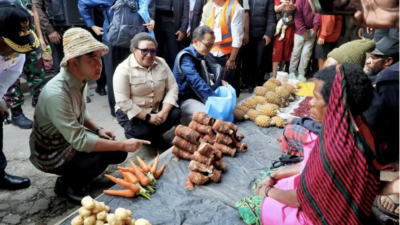
Government Conducts On-Site Review of Development Programs and Public Services in Papua
The central government conducted an on-site review of development programs and public services in Papua
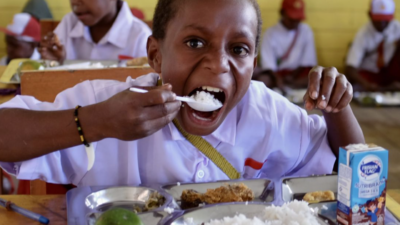
Free Nutritious Meal Program Strengthens Community Well-Being in Papua, Reaching 7,000 Beneficiaries
The Free Nutritious Meal Program (Makan Bergizi Gratis/MBG) in Papua, Indonesia continues to demonstrate positive
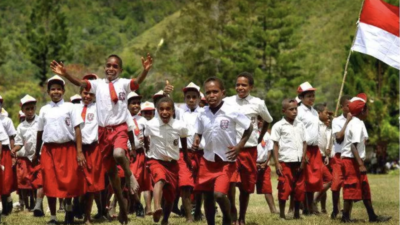
A New Chapter for Education in Papua: Manokwari Students Welcome the Plan for an Integrated People’s School with Optimism
Manokwari (ANTARA) – A renewed sense of optimism is growing across Papua’s education landscape following