
Raja Ampat is widely recognized as one of the world’s richest marine biodiversity regions. Behind its natural beauty lies the active role of Indigenous Papuans working in collaboration with the government to protect the environment while supporting sustainable livelihoods for local communities.
In Pam Village, located in the Pam Islands of Raja Ampat, Indigenous communities have long lived in close connection with nature. For generations, they have relied on marine and forest resources while maintaining ecological balance through traditional practices such as sasi, a customary prohibition on harvesting resources in designated areas to allow ecosystems to recover.
According to Pam Village Head Nikolas Obinaru, environmental sustainability is fundamental to community life. This awareness led residents to raise concerns when increasing tourism activities began to affect coral reefs, particularly due to the use of anchors by tourist vessels.
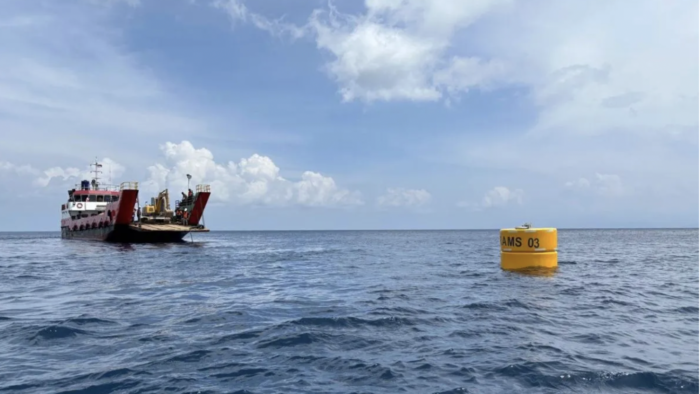
As visitor numbers continued to grow, the government, together with Indigenous communities and conservation partners, introduced adaptive measures to address these challenges. One key initiative was the installation of mooring systems to replace traditional anchoring, significantly reducing the risk of coral reef damage in popular diving areas.
Raja Ampat has been designated as a Marine Protected Area covering more than 1.3 million hectares. Its management involves cooperation between the regional government, the Raja Ampat Marine Conservation Management Unit (BLUD UPTD), Indigenous communities, law enforcement agencies, and conservation organizations.
Since 2024, mooring installations have been carried out in phases. These systems allow tourist vessels to berth safely without harming coral reefs, while also supporting more orderly and sustainable tourism management. The Provincial Government of Southwest Papua has further strengthened this approach by issuing regulations mandating the use of moorings and the payment of mooring fees by tourism operators.
Beyond conservation, the policy also supports local economic development. A portion of the mooring fees is allocated directly to villages, ensuring that Indigenous communities receive tangible economic benefits from sustainable tourism activities in their customary waters.
Pam Village Traditional Leader Wem Mambrasar emphasized that community involvement in the installation and monitoring of moorings reflects a shared responsibility to protect ancestral seas. The customary ceremonies held during the installation symbolize the community’s commitment to safeguarding marine ecosystems as a source of life.
In addition to serving as docking facilities, the moorings also function as fishing areas for local residents, supporting daily livelihoods without degrading the surrounding environment.
This collaboration between Indigenous Papuans, the government, and conservation partners demonstrates that protecting Raja Ampat is not solely about environmental preservation, but also about empowering Indigenous communities as key stewards of their territories. Such an approach is expected to ensure both ecological sustainability and long-term economic benefits for present and future generations.
Konten Terkait

Indonesia Strengthens Coordinated Development in Papua to Accelerate Welfare and Inclusive Growth
The Government of Indonesia continues to strengthen coordinated development efforts in Papua by aligning regional
Indigenous Chiefs Safeguard Papua’s “Big House” Within Indonesia’s Unity
Jayapura, Papua – In Papua, peace is not only a political aspiration—it is rooted in
Indigenous Papuans Embrace Free Education as Sorong City Strengthens Human Development Investment
Sorong, Southwest Papua – The Sorong City Government has allocated IDR 17 billion (approx. USD
Government Conducts On-Site Review of Development Programs and Public Services in Papua
The central government conducted an on-site review of development programs and public services in Papua

Free Nutritious Meal Program Strengthens Community Well-Being in Papua, Reaching 7,000 Beneficiaries
The Free Nutritious Meal Program (Makan Bergizi Gratis/MBG) in Papua, Indonesia continues to demonstrate positive