The people of Asmat are increasingly benefiting from the development of the Sago Field School, which serves as a center for learning, cultural preservation, and local food security. The program, built through collaboration among local communities, religious leaders, and the government, encourages the sustainable use of sago as a valuable local commodity that supports both livelihoods and community well-being.
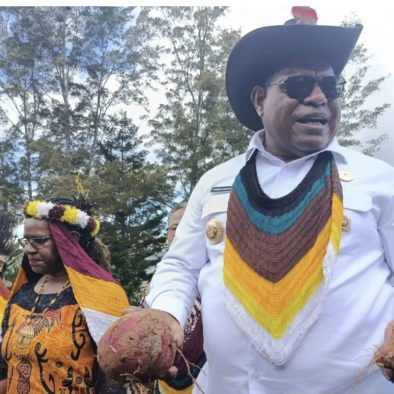
The visit of Vice President Gibran Rakabuming to the Sago Field School in Agats District reflects the government’s support for community-driven efforts to develop local food resources. The government has also emphasized the importance of working closely with community and religious leaders to ensure that empowerment programs continue to deliver positive outcomes for local residents.
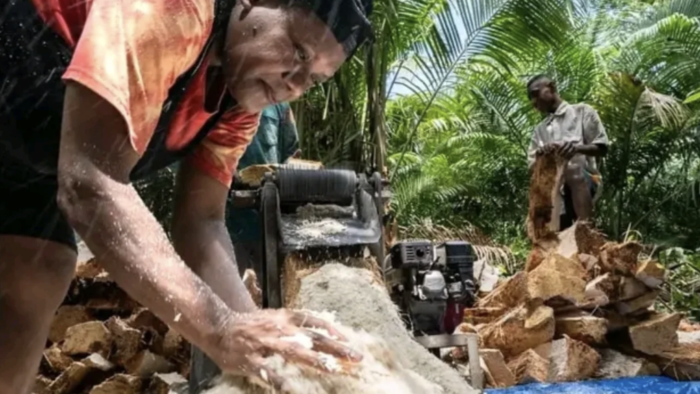
For generations, the indigenous Asmat people have preserved and managed sago as an essential part of their cultural identity and daily food source. Through the Sago Field School, this traditional knowledge is being strengthened and passed on to younger generations through structured learning and practical activities.
Covering approximately six hectares, the Sago Field School has also become a center for developing value-added sago products. These initiatives are expected to create new economic opportunities, improve community welfare, and enhance local food resilience in Asmat.
The experience of the Asmat community demonstrates how local wisdom and community participation can contribute to sustainable development. The collaboration between local communities, religious institutions, and government agencies offers a positive example for other regions seeking to strengthen their own local food systems and cultural heritage.